Evaluating the Great Dane Shadow Box 3D SVG for Precision Crafting
In the evolving landscape of digital crafting, the distinction between a standard cut file and a sophisticated layered design often determines the success of a physical project. For creators working with die-cutting machines, the Great Dane Shadow Box 3D Svg represents a specific category of asset designed to bridge the gap between digital convenience and tangible artistry. This is not merely a silhouette; it is a complex assembly of twenty-nine distinct layers intended to create depth, shadow, and dimension when constructed. Understanding the practical implications of using such a file requires an analysis of its technical specifications, material requirements, and the workflow necessary to bring the design from a screen to a finished shadow box.
Technical Specifications and File Compatibility
The foundation of any successful cutting project lies in the quality and compatibility of the digital file. The Great Dane Shadow Box 3D Svg package is structured to accommodate a wide range of hardware and software environments. Upon purchase, the buyer receives a comprehensive suite of file formats: SVG, DXF, PDF, and EPS. This variety is crucial for professionals who may switch between different design ecosystems. The SVG format is the industry standard for web-based cutting software like Cricut Design Space and Silhouette Studio, ensuring that vector paths remain crisp and editable. The inclusion of DXF supports users who prefer CAD-based workflows or older machine firmware, while PDF and EPS files cater to those who might need to scale the design for large-format printing or import it into professional illustration suites like Adobe Illustrator or CorelDRAW.
It is important to clarify the nature of this transaction immediately: this is a digital product. No physical item will be shipped to the buyer. The value proposition rests entirely on the precision of the vector paths and the logical organization of the layers within the file. The design has been tested and cut using a Cricut Maker 3, a machine known for handling intricate details and a wide variety of materials. However, because the files are provided in universal vector formats, they are compatible with virtually all computer-controlled cutters on the market, including Brother ScanNCut, Sizzix Eclipse, and various generic brands. This cross-platform compatibility ensures that the investment in the file remains useful regardless of future upgrades to cutting hardware.
Design Complexity and Layer Management
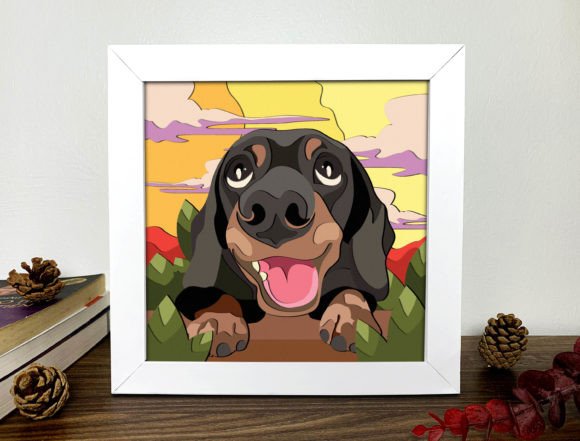
The defining characteristic of this asset is its complexity. Comprising 29 layers, the Great Dane design is engineered to create a significant three-dimensional effect. In the context of shadow box crafting, layer count directly correlates to the perceived depth of the final piece. Each layer acts as a plane that catches light and casts a shadow on the layer beneath it, creating a parallax effect that makes the subject appear to float within the frame.
Managing twenty-nine layers requires a disciplined approach to organization. When the file is opened in cutting software, users will find that each layer is typically grouped and labeled, though practices can vary slightly depending on the specific version of the software being used. For a project of this magnitude, the ability to toggle visibility, rearrange stacking order, and adjust individual layer properties is essential. The design allows for significant flexibility; while the default arrangement creates a specific look, experienced creators can manipulate the spacing between layers or alter the color sequence to achieve different visual outcomes. This level of control transforms the file from a static template into a dynamic component of a larger creative workflow.
Material Selection and Dimensional Constraints
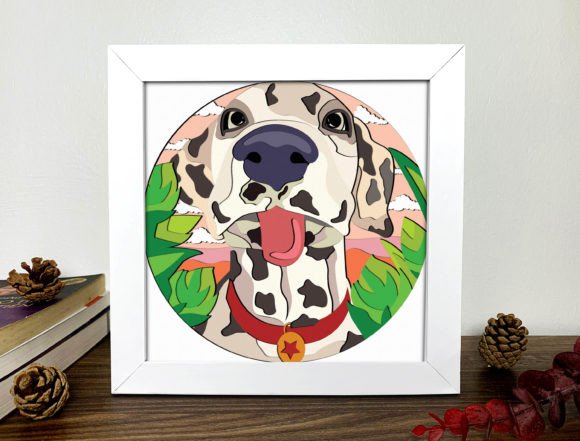
The physical realization of the Great Dane Shadow Box 3D Svg is heavily dependent on material choice. The design is optimized for a canvas size of 20x20cm (7.8x7.8in). This dimension is a critical constraint that buyers must respect. It fits perfectly into standard square shadow box frames available at most craft retailers, but attempting to scale the design significantly larger without adjusting the material thickness can lead to structural instability. Conversely, scaling it down too much may result in the loss of fine details, particularly in the facial features of the dog and the intricate background elements.
One of the most engaging aspects of this digital product is the freedom it offers regarding color and texture. Since the buyer is responsible for sourcing the materials, they can curate a palette that matches specific interior decor or personal preferences. Cardstock is the most common medium for shadow boxes due to its rigidity and ability to hold a fold or curve without warping. However, the vector nature of the file also allows for experimentation with other materials such as thin wood veneer, acrylic sheets, or even textured handmade paper. The recommendation to use papers of different colors is not just a suggestion for aesthetics; it is a functional necessity for defining the separation between the 29 layers. High contrast between adjacent layers enhances the 3D effect, while monochromatic schemes rely more on the interplay of light and shadow to define the form.
Workflow Efficiency and Practical Application
For small business owners, educators, and serious hobbyists, time efficiency is as valuable as the final aesthetic. Cutting twenty-nine layers can be a time-intensive process if not managed correctly. The practical value of the Great Dane Shadow Box 3D Svg lies in its optimization for automated cutting. When loaded into a cutter like the Cricut Maker 3, the machine reads the vector paths and executes the cuts with high precision. Users should anticipate a multi-step workflow: loading the mat, cutting a set of layers, weeding excess material, and repeating the process until all 29 layers are complete.
Assembly is where the true skill of the creator comes into play. To achieve the intended depth, spacers or foam adhesive tabs are typically placed between each layer. Given the number of layers, the cumulative height of the assembled piece can be substantial. Creators must ensure their chosen frame has sufficient depth to accommodate the stack without compressing the layers, which would flatten the 3D effect. For professionals selling these items, consistency in assembly is key. Using a jig or a measured guide for placing spacers can ensure that every unit produced looks identical, maintaining brand quality.
Ideal Use Cases and Audience Fit
Who benefits most from acquiring this specific digital asset? The primary audience includes crafters who have moved beyond simple decals and are looking to create display-worthy art. This includes:
- Small Business Owners: Individuals running Etsy shops or local craft markets can use this file to produce high-value, handmade home decor items. The uniqueness of a 29-layer design commands a higher price point than single-layer cuts.
- Educators and Workshop Leaders: The file serves as an excellent teaching tool for advanced crafting classes. It demonstrates concepts of layering, depth, and structural assembly.
- Interior Design Enthusiasts: Homeowners looking for custom art pieces that fit specific color schemes can utilize the flexibility of the digital file to create bespoke decor that cannot be bought off the shelf.
- Gift Makers: For those creating personalized gifts for dog lovers, the Great Dane subject matter offers a targeted emotional connection that generic designs lack.
Quality Assessment and Long-Term Value
The long-term value of the Great Dane Shadow Box 3D Svg is derived from its reusability and adaptability. Unlike a physical kit that can only be used once, a digital file can be utilized repeatedly. A creator can produce dozens of units, experimenting with different paper stocks, finishes, and framing options each time. The reliability of the vector paths ensures that the design does not degrade over time or with repeated use. Furthermore, the inclusion of multiple file formats future-proofs the purchase, ensuring compatibility even as software standards evolve.
However, potential buyers should be aware of the learning curve associated with multi-layer projects. Success requires patience, precise weeding tools, and a steady hand for assembly. It is not a "quick craft" but rather a project that demands attention to detail. Those willing to invest the time will find that the resulting product offers a professional finish that rivals commercially manufactured art. The encouragement for buyers to create products and share them with the community fosters a culture of inspiration and continuous improvement, allowing creators to see how others interpret the same digital blueprint in unique ways.
In conclusion, the Great Dane Shadow Box 3D Svg stands out as a robust resource for the modern maker. It combines technical precision with artistic freedom, offering a platform for creativity that is limited only by the user's choice of materials and imagination. By providing a universally compatible, highly detailed, and structurally sound design, this digital product empowers creators to produce sophisticated, three-dimensional art that holds significant appeal in both personal and commercial contexts.