Evaluating 3D Layered Orchid Flowers for Precision Crafting
Orchids have long been admired in the botanical world for their exquisite beauty and elegance, representing grace and refinement. For digital crafters and laser cutting enthusiasts, translating this natural sophistication into physical art requires precise tools and well-structured designs. 3D Layered Orchid Flowers represent a specific category of digital assets designed to bridge the gap between flat vector graphics and dimensional paper or wood art. This article evaluates the utility, technical requirements, and practical applications of these layered designs to help you determine if they align with your current project goals.
Understanding the Concept of Layered Floral Designs
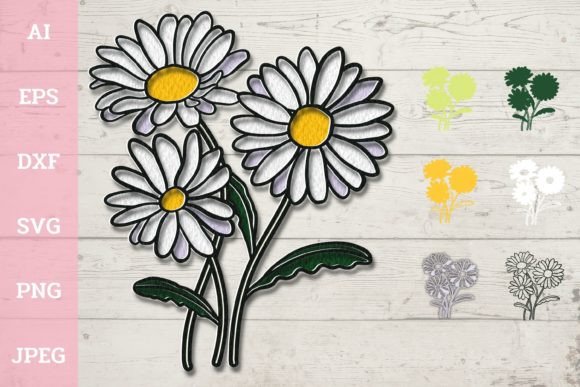
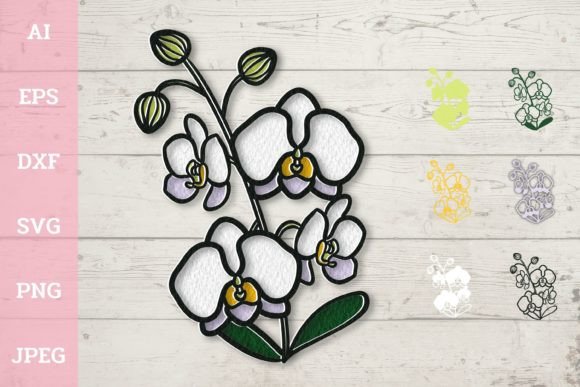
At its core, a 3D layered design is a collection of separate vector files that, when cut from material and stacked, create an illusion of depth and shadow. Unlike a standard single-layer silhouette, 3D Layered Orchid Flowers break down the complex anatomy of the flower into distinct planes. Typically, a single flower design might consist of six or more individual layers, ranging from the base petals to the intricate center details.
When utilizing an artwork size of 8.5 x 8.5 inches at a high quality of 300 dpi, the level of detail becomes significant. This resolution ensures that when the file is scaled or cut, the edges remain crisp, preventing the jagged lines that can ruin the aesthetic of delicate flora. The "3D" effect is achieved not by the file itself, but by the assembler who cuts each layer from paper, cardstock, or thin wood and adheres them with foam tape or glue spacers. This process transforms a flat image into a textured object that catches light and casts shadows, mimicking the organic structure of a real orchid.
Technical Compatibility and File Formats
One of the primary considerations when selecting a digital cut file is software and hardware compatibility. A robust package for 3D Layered Orchid Flowers should offer versatility across different platforms. Ideally, the download includes a comprehensive zip file containing multiple formats to ensure seamless integration into your workflow.
- AI, EPS, and SVG: These are the industry standards for vector editing. AI (Adobe Illustrator) and EPS files are essential for professional users utilizing Adobe Creative Cloud, Corel Draw, or Inkscape. SVG files are crucial for users operating within Cricut Design Space or Silhouette Designer Edition, allowing for easy manipulation of nodes and paths.
- DXF: This format is particularly important for laser cutting enthusiasts using machines like Glowforge. It ensures that the cutting paths are recognized accurately by laser software without the scaling issues sometimes associated with raster images.
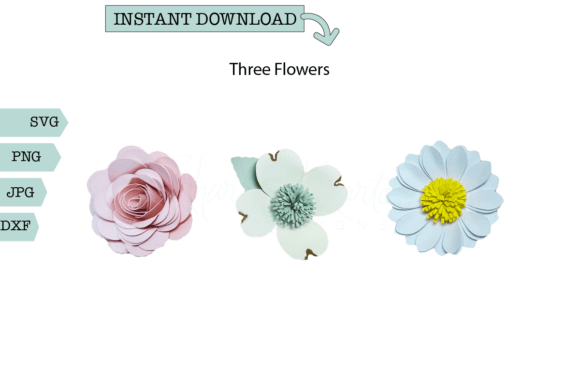
- JPEG and PNG: While these are raster images and not suitable for cutting paths, they serve as vital reference guides. A color PNG or JPEG example file helps the crafter visualize the final assembly order and color selection before making the first cut.
Having access to this wide array of formats eliminates the need for third-party conversion tools, which can often introduce errors in vector paths. For a user evaluating a purchase, the presence of both vector and raster formats indicates a high-quality, professional-grade asset.
Benefits and Creative Applications
The decision to use 3D Layered Orchid Flowers often stems from a desire to elevate standard crafting projects. The primary benefit is the ability to create high-end looking decor with relatively accessible materials. By choosing paper of different colors when cutting each layer, artisans can create ombre effects, high-contrast shadows, or realistic botanical reproductions.
These designs are particularly strong fits for:
- Laser Cutting Projects: The precision of laser cutters pairs perfectly with the intricate details of orchid petals. The layered approach allows for the creation of wooden wall art or acrylic displays that possess genuine depth.
- Paper Crafting and Card Making: For those without laser equipment, these files work exceptionally well with electronic die-cutting machines. The resulting elements can be used to create luxury greeting cards, scrapbook embellishments, or standalone framed art.
- Commercial Product Creation: Because the files are scalable and high-resolution, they are suitable for creating products for sale, such as wedding invitations, decorative signage, or home decor items.
The elegance of the orchid motif makes these designs versatile for various themes, from weddings and anniversaries to sophisticated home interior accents. The representation of grace and refinement inherent in the flower shape adds a level of perceived value to the finished product.
Considerations and Tradeoffs
While the aesthetic results are compelling, potential users must weigh the benefits against the required effort and resources. Working with 3D Layered Orchid Flowers is more time-intensive than using single-layer clipart. The process involves cutting multiple pieces per flower, organizing them, and meticulously assembling them. For large-scale projects, such as a full wall mural, the assembly time can be substantial.
Furthermore, material costs increase with layered designs. Since a single flower design may include six layered components, you will consume significantly more paper, cardstock, or wood veneer compared to a flat design. Users must also consider the adhesive method; achieving a clean 3D look requires consistent spacing between layers, which often necessitates specialized foam adhesives or precise gluing techniques.
It is also important to manage expectations regarding the digital files themselves. Any background pictured in a listing is typically NOT included in the download. The files provided are strictly the cut elements. Users must have the design skills to arrange these elements on their canvas or understand how to layer them physically without a pre-made background guide.
Decision-Making Insights: Is This Right for You?
Determining whether 3D Layered Orchid Flowers are the correct choice for your project depends on your specific goals and available resources. If your objective is speed and simplicity, a single-layer SVG might be a more appropriate alternative. Single-layer designs are faster to cut, easier to weed (if using vinyl), and require no assembly.
However, if your goal is to create a statement piece that showcases craftsmanship and dimensionality, the layered approach is superior. These designs are a strong fit for individuals who enjoy the process of assembly and have access to the necessary materials to execute the color variations effectively. They are ideal for creators who want to move beyond flat decals and explore the textural possibilities of their cutting machines.
Before proceeding, evaluate your machine's capability to handle fine details. While the files are high quality at 300 dpi, smaller hobbyist machines may struggle with very intricate inner cuts common in orchid centers. In such cases, simplifying the design or choosing a slightly larger scale may be necessary.
Conclusion
3D Layered Orchid Flowers offer a sophisticated pathway for digital crafters to produce elegant, dimensional art. By providing a suite of compatible file formats including AI, SVG, DXF, and raster references, these packages cater to a wide range of users from laser cutting professionals to paper crafting hobbyists. While they demand more time and material investment than flat alternatives, the resulting depth and visual impact justify the effort for projects requiring a touch of grace and refinement. Whether for personal decor or commercial creation, understanding the layering process and technical requirements ensures that the final output meets the high standards associated with these exquisite floral designs.