Evaluating the Train Multilayer SVG Train Cut File 3D for Crafting Projects
The landscape of digital crafting has evolved significantly with the introduction of multi-layered vector designs. Among these, the Train Multilayer SVG Train Cut File 3D represents a specific category of digital assets designed to add depth and dimension to physical projects. Unlike standard two-dimensional cut files, this design comprises four separate layers that, when assembled, create a three-dimensional effect. This article evaluates the utility, compatibility, and practical considerations of using this specific file type for various crafting applications, helping enthusiasts determine if it aligns with their project goals.
Understanding the Multi-Layer Design Concept
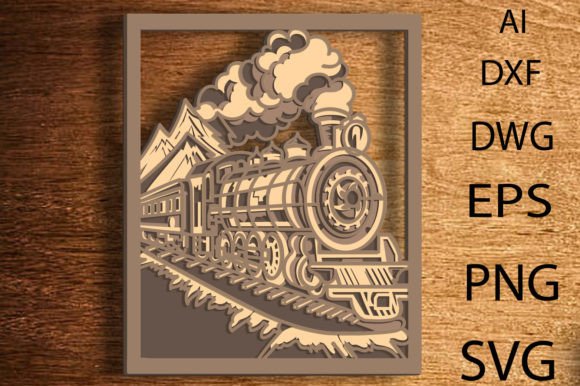
At its core, the Train Multilayer SVG Train Cut File 3D is a digital vector package intended for use with computer-controlled cutting machines. The defining characteristic of this asset is its layered architecture. Instead of a single outline or filled shape, the design is segmented into four distinct components. When these layers are cut from material and stacked sequentially, they produce a shadow-box effect or a true 3D relief.
This approach requires more than just cutting; it demands assembly. The user must cut each layer, often from different colors or materials, and adhere them together with precise alignment. The finished product dimensions are approximately 9.7 inches in height and 8 inches in width, providing a substantial focal point for decor or apparel. Understanding that this is a construction project rather than a simple "cut and apply" task is the first step in evaluating its suitability for your needs.
Material Versatility and Application Scenarios
One of the primary reasons crafters seek out multi-layer files is their adaptability across different mediums. The Train Multilayer SVG Train Cut File 3D is engineered to perform well in several distinct scenarios:
- Paper Cutting: For card makers and scrapbookers, this file is ideal for creating dimensional greeting cards or wall art. Using cardstock of varying weights allows the layers to hold their shape while maintaining the delicate details of the train design.
- Vinyl for Apparel: In the realm of clothing customization, multi-layer vinyl (HTV) can be used to create textured graphics on t-shirts and tote bags. The four-layer structure adds a tactile element that flat prints cannot achieve, though it requires careful weeding and pressing.
- Wood and Home Decor: Perhaps the most popular application is in wood crafting. Using a CNC laser cutter or a scroll saw, users can cut these layers from plywood or MDF. When stacked and painted or stained, the result is a robust piece of nursery decor or a unique gift for family and friends.
The versatility of the file formats included—AI, EPS, PNG, SVG, DXF, and DWG—ensures that whether you are using a consumer-grade machine like a Silhouette or Cricut, or an industrial laser cutter, the data is accessible. The inclusion of DXF and DWG is particularly notable for users working with CAD software or laser engraving setups that prefer these standards over SVG.
Benefits of Choosing a Layered Vector Approach
Opting for a design like the Train Multilayer SVG Train Cut File 3D offers several tangible benefits over single-layer alternatives. The most obvious advantage is visual depth. In a market saturated with flat decals and prints, a 3D object commands attention. The interplay of light and shadow between the four layers creates a dynamic look that changes depending on the viewing angle.
Furthermore, these files encourage creativity in material selection. A crafter is not limited to one color scheme. By assigning different colors to specific layers, one can highlight different parts of the train, such as the wheels, the cabin, or the smokestack. This modularity allows for endless customization, making each finished piece unique. For those selling handmade goods, this level of customization can justify a higher price point due to the increased labor and perceived value of the 3D effect.
Practical Considerations and Tradeoffs
While the aesthetic results are compelling, potential users must weigh the benefits against the inherent tradeoffs of multi-layer projects. The primary consideration is time and complexity. Cutting four separate layers takes four times longer than cutting a single layer, not accounting for the setup time required to ensure registration marks are accurate.
Assembly is another critical factor. Aligning four layers of wood or vinyl requires patience and precision. If the layers are misaligned by even a fraction of an inch, the 3D effect can look sloppy rather than professional. For beginners, this learning curve can be steep. Additionally, material waste may be higher, as each layer requires its own sheet of material, and the nesting of shapes might not be as efficient as single-cut projects.
There is also the matter of durability, specifically for wearable items. A four-layer vinyl stack on a t-shirt is significantly thicker than a standard decal. While durable, it may be less flexible and could potentially peel at the edges faster if not applied with high-quality heat press techniques. Users must consider the end-use environment; a wooden train sign for a wall is low-risk, whereas a multi-layer shirt for active wear requires careful evaluation of comfort and longevity.
Machine Compatibility and Technical Requirements
To successfully utilize the Train Multilayer SVG Train Cut File 3D, having the right equipment is essential. For paper and vinyl, electronic cutting machines like the Cricut Maker or Silhouette Cameo are standard. These machines handle the intricate curves of the train design well, provided the blade is sharp and the settings are calibrated for the specific material thickness.
For wood applications, a CNC laser cutter is highly recommended. The precision of a laser ensures that the kerf (the width of the cut) is minimal, which is crucial for tight stacking tolerances. While it is possible to use a scroll saw, the variance in cut width might make stacking the four layers more challenging without sanding. The file formats provided (SVG, DXF, DWG) cater to these different technologies, ensuring broad compatibility. However, users should verify that their software can interpret multi-layer files correctly, sometimes requiring the layers to be ungrouped and colored individually within the design software before sending to the machine.
Decision-Making Insights: Is This File Right for You?
Determining whether to download and use this specific asset depends largely on your current skill level and project objectives. This file is a strong fit if:
- You possess intermediate to advanced skills in assembly and alignment.
- You have access to materials suitable for layering (e.g., varied cardstock weights, multi-color HTV, or thin plywood sheets).
- Your goal is to create a premium, handcrafted item where the 3D aspect adds significant value.
- You are comfortable troubleshooting registration issues during the assembly phase.
Conversely, alternatives may be worth considering if you are looking for a quick turnaround project or are new to digital cutting. Single-layer SVGs offer a much faster workflow and eliminate the risk of misalignment. If the intended application involves high-friction environments where a thick profile would be detrimental, a flat print-and-cut method or a single-layer vinyl application might be more practical.
Ultimately, the Train Multilayer SVG Train Cut File 3D serves as a powerful tool for creators willing to invest the extra time for a superior visual result. It bridges the gap between digital design and tangible art, offering a structured path to creating complex, dimensional objects. By understanding the requirements for assembly and the capabilities of your machinery, you can effectively leverage this design to produce unique gifts and decor that stand out in a crowded marketplace.