Bringing Magic to Life: A Practical Guide to the Fairy Garden 3D Shadow Box Paper Cut SVG
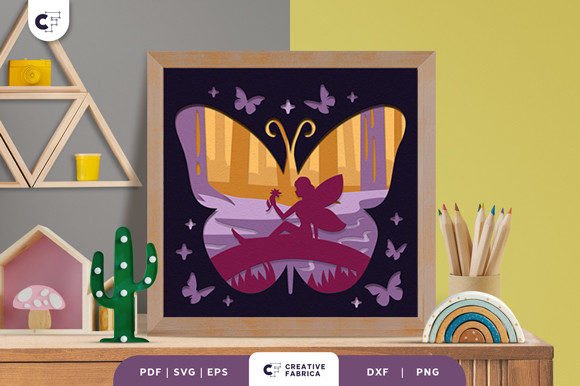
Stepping into the enchanting world of a Fairy Garden 3D Shadow Box Paper Cut SVG offers more than just a crafting project; it provides a serene escape into a woodland setting where imagination meets precision. Whether you are a seasoned paper artist or a parent looking for a magical gift for a young girl who loves adventure, understanding the nuances of this specific design is crucial for achieving a stunning result. The allure of watching a cute little fairy relax amidst intricate foliage is undeniable, but the difference between a flat, disappointing assembly and a breathtaking, deep-dimensional piece often lies in the details you might overlook before you even make your first cut.
When exploring digital files for paper crafting, it is easy to get swept up in the preview images without considering the technical realities of production. A common misunderstanding among beginners and even some professionals is assuming that all SVG files are created equal regarding layer complexity and cutting feasibility. With a design boasting eight distinct layers within a 20.32×20.32 cm frame, the margin for error shrinks significantly. Many crafters rush to download and cut without verifying the file formats or the intended material weight, leading to structural failures where the shadow box collapses or fails to hold its shape.
Avoiding Material Mismatches and Structural Weakness
One of the most frequent mistakes creators make when working with multi-layered shadow boxes is selecting cardstock that is either too flimsy or too thick for the specific design constraints. For a project like the Woodland Fairy, which relies on the delicate interplay of light and shadow across eight tiers, using standard printer paper or lightweight scrapbook paper can be disastrous. These materials lack the rigidity needed to maintain the spacing between layers, causing the "3D" effect to flatten out over time.
Conversely, using heavy-duty chipboard without adjusting your machine settings can result in torn edges and incomplete cuts, ruining the intricate details of the fairy and the surrounding nature elements. The ideal approach, as demonstrated by high-quality versions of this design, involves using a sturdy yet cuttable medium. For instance, Encore Cardstock 80 lb cover (216 gsm) strikes the perfect balance. It is thick enough to hold the dimensional spacers and maintain the box's integrity but thin enough for most consumer-grade cutting machines to handle cleanly. Before you begin, always check the recommended GSM (grams per square meter) for your specific file. If the designer suggests a specific weight, deviating from it often compromises the final presentation.
Navigating File Formats for Maximum Compatibility
In the rush to start creating, many users download only the SVG file, unaware that their workflow might benefit from the alternative formats provided. A robust Fairy Garden 3D Shadow Box Paper Cut SVG package typically includes PDF, EPS, PNG, and DXF files alongside the primary SVG. Ignoring these options can limit your efficiency. For example, if you are sending this design to a professional printing service rather than cutting it yourself, they may require a high-resolution PDF or EPS to ensure vector clarity. If you are using a older cutting machine model that struggles with complex SVG paths, the DXF format might offer a smoother cutting experience with fewer node errors.
Furthermore, overlooking the layer count during the setup phase is a critical error. With eight layers to manage, organization is key. A common pitfall is cutting all layers at once without labeling them, leading to confusion during assembly. When the pieces are stacked, determining which foliage belongs to the foreground versus the background becomes a frustrating puzzle. To avoid this, adopt a systematic approach: cut one layer at a time or use your software to label each mat clearly before sending it to the cutter. This simple habit saves hours of frustration and ensures the narrative of the scene—from the distant trees to the foreground fairy—flows logically.
Assembly Precision and Depth Perception
The magic of a shadow box lies in its depth, yet many builders underestimate the importance of consistent spacing. When assembling an eight-layer project, uneven gaps between the sheets can distort the perspective, making the fairy appear disconnected from her environment. Some crafters use foam tape randomly, applying thick strips in some areas and thin dots in others. This inconsistency causes the layers to bow or warp, breaking the illusion of a cohesive woodland scene.
To achieve a professional finish, plan your spacing strategy before applying any adhesive. Decide on a uniform depth for each tier, perhaps using pre-cut foam strips of identical thickness. This creates a steady recession into the box, drawing the eye naturally toward the focal point. Additionally, pay attention to the lighting. A shadow box is designed to interact with light; placing it in a dark corner negates the effort put into the layering. Position your finished piece where natural light or a dedicated spotlight can cast soft shadows through the cutouts, enhancing the texture of the cardstock and bringing the 216 gsm material to life.
Making Informed Purchasing Decisions
For those looking to acquire this design, whether for personal use or small business products, evaluating the source is vital. Not all digital marketplaces guarantee the quality of the vector paths. Poorly digitized SVGs can have open paths or overlapping nodes that cause cutting machines to stutter or tear the paper. Always look for previews that show the individual layers separated, ensuring the design truly offers the depth promised. If a listing does not specify the number of layers or the recommended material weight, proceed with caution.
Moreover, consider the end-use of your project. If you intend to sell these shadow boxes at craft fairs or online, ensure you have the appropriate commercial license for the file. Using a personal-use-only file for commercial gain can lead to legal issues and reputational damage. Responsible creators verify these terms upfront. For those needing reliable materials to match the quality of the design, sourcing the right cardstock is half the battle. You can explore specialized options like the 12×12 Cardstock Shop to find materials that meet the specific weight requirements for high-end shadow boxes.
Ultimately, the joy of creating a Fairy Garden 3D Shadow Box comes from the process of transformation—turning flat sheets into a window of wonder. By paying attention to material specifications, utilizing the full range of file formats, and approaching assembly with a plan for consistent depth, you avoid the common pitfalls that plague rushed projects. Whether you are gifting this to a child to spark their love for nature or adding a whimsical touch to your home decor, the effort invested in these details ensures that the final result is nothing short of magical.