Unlocking Creative Potential: A Complete Guide to Nautical Numbers 3D SVG Files
In the ever-evolving world of digital crafting and DIY design, the transition from flat, two-dimensional projects to dynamic, multi-layered creations marks a significant leap in quality and professionalism. At the heart of this transformation lies the Nautical Numbers 3D SVG collection, a specialized set of digital assets designed to bring depth, texture, and maritime charm to your projects. Whether you are a seasoned owner of a Silhouette Cameo or a beginner just exploring Cricut Design Space, understanding how to leverage these layered files can completely change the way you approach birthday celebrations, apparel design, and home decor.
This article serves as a comprehensive guide to understanding what 3D SVGs are, why the nautical theme is so versatile, and how you can practically apply these numbers (0-9) to create stunning physical products. We will explore the technical aspects of using layered files, dispel common myths about file compatibility, and provide concrete examples of how these designs fit into modern creative workflows.
What Exactly is a 3D SVG Collection?
To the uninitiated, the term "3D SVG" might sound like a contradiction. After all, Scalable Vector Graphics (SVG) are inherently two-dimensional mathematical paths used to define shapes on a screen. However, in the context of cutting machines and crafters, 3D refers to the illusion of depth created by stacking multiple layers of material.
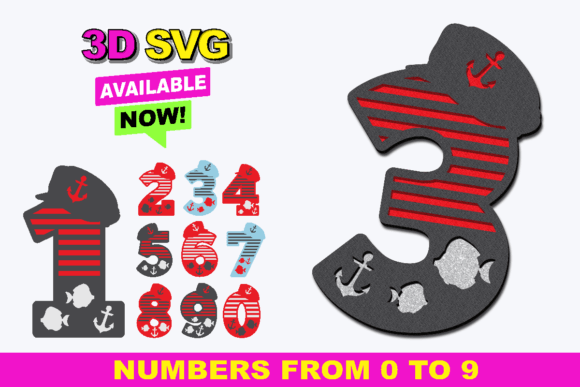
The Nautical Numbers 3D SVG download typically includes a zipped folder containing specific files for each number from 0 to 9. Unlike a standard SVG which is a single cut line, these collections include three layered files per number. When cut from different colors of vinyl, cardstock, or heat transfer vinyl (HTV) and stacked upon one another, they create a shadow effect or a raised dimension that mimics a three-dimensional object. This technique adds a level of sophistication that flat decals simply cannot achieve.
The Significance of Layered Designs
The purpose of using layered files goes beyond mere aesthetics; it is about adding value to your creations. In a market saturated with simple, flat designs, a 3D effect grabs attention. It suggests effort, precision, and high-quality craftsmanship. For small business owners selling custom goods, this distinction can be the difference between a browser scrolling past and a customer making a purchase.
Furthermore, these files are designed with usability in mind. The layers are pre-aligned in the digital file, meaning you do not need to spend hours manually offsetting paths in your design software. This efficiency allows creators to focus on the assembly and the final product rather than getting bogged down in complex vector editing.
Compatibility and Software: Silhouette Studio and Cricut Design Space
One of the most common questions regarding digital downloads is, "Will this work with my machine?" The beauty of the SVG format is its universality, but the workflow differs slightly depending on your ecosystem.
If you are using Cricut Design Space, the process is incredibly intuitive. You simply upload the SVG file, and the software automatically recognizes the layers. You can assign different colors to each layer to visualize how the final cut will look before you even load your mat. The software handles the registration marks and layering order, making it accessible for beginners.
For users of Silhouette Studio, particularly those on the basic free version, there is sometimes confusion about opening SVG files. While newer versions have improved SVG support, ensuring you have the latest update is crucial. Once imported, you can easily separate the layers, change their colors, and send them to your cutting mat. The key advantage here is the precision control Silhouette offers over cut settings, which is vital when working with delicate, layered details.
Note: If you are using another type of machine, such as a Brother ScanNCut or a generic CNC cutter, please ensure you are able to use this type of file with your machine. Most modern cutting devices accept SVGs, but always verify that your specific software can interpret multiple layers within a single file group.
Practical Applications: From Cake Toppers to Apparel
The versatility of the Nautical Numbers 3D SVG collection is vast. Because the set includes numbers 0 through 9, you can create any numerical combination imaginable. Here are several practical ways to integrate these files into your daily activities or business offerings:
- Birthday Celebrations: Create show-stopping cake toppers. By cutting the base layer in gold mirror vinyl, the middle in white cardstock, and the top in navy blue, you create a nautical-themed age marker that stands tall on a frosting-covered cake.
- Print Shirts and Apparel: Using Heat Transfer Vinyl (HTV), you can apply these 3D numbers to t-shirts, hoodies, or tote bags. The layered effect adds texture that feels premium to the touch, perfect for family reunion shirts or sports team jerseys with a coastal vibe.
- Stickers and Decals: Print these designs on adhesive vinyl for water bottles, laptops, or car windows. The shadow layer gives the sticker a "popped" look, making it durable and visually striking.
- Home Decor: Use heavy cardstock or wood veneer to cut these numbers for wall art, door signs, or nursery decor. A large "3D" number hanging in a child's room adds a focal point that grows with them.
Understanding the Nautical Theme
Why choose a nautical theme? The maritime aesthetic is timeless. It evokes feelings of summer, vacation, reliability, and classic style. The color palette associated with nautical designs—navy blues, crisp whites, reds, and golds—is universally appealing and matches a wide variety of interior design styles, from beach houses to modern apartments. By using a themed number set, you instantly contextualize your project, making it perfect for baby showers with a "sail away" theme, first birthdays, or anniversary parties.
Common Misunderstandings and How to Avoid Them
Despite the ease of use, there are a few assumptions beginners often make that can lead to frustration. Clarifying these points ensures a smoother crafting experience.
Misconception 1: The layers will stick together automatically.
The SVG file provides the cut lines, not the adhesion. You must physically weed (remove excess material) and stack the layers yourself using adhesive transfer tape, glue, or the sticky backing of the vinyl. Precision during the weeding process is essential to maintain the integrity of the 3D effect.
Misconception 2: All machines handle layers the same way.
As mentioned earlier, while the file format is standard, the software interface varies. Always do a test cut on scrap material. This helps you determine if your blade depth is correct for the thickest part of your layered stack, preventing tearing or incomplete cuts.
Misconception 3: 3D means it requires a 3D printer.
No 3D printer is needed. These are strictly for die-cutting machines. The "3D" aspect is achieved through manual assembly, which actually allows for more material variety (like mixing glitter vinyl with matte cardstock) than a 3D printer could offer.
Building a Broader Understanding of Digital Assets
Embracing tools like the Nautical Numbers 3D SVG collection is about more than just making a pretty item; it is about participating in the broader maker movement. In today's digital age, the ability to translate a virtual file into a tangible object is a powerful skill. It bridges the gap between technology and traditional craftsmanship.
For educators, these files can be used to teach geometry and spatial reasoning to students by having them assemble the layers. For entrepreneurs, they represent a low-overhead inventory solution; you only print what you sell, reducing waste. For hobbyists, they offer a satisfying creative outlet that yields professional results without needing a degree in graphic design.
The inclusion of a zipped folder containing all numbers 0-9 ensures you are future-proofed. You aren't limited to a single project; you have a library of assets ready for any occasion. Whether it is labeling storage bins, creating an advent calendar, or designing a custom address sign, the utility is endless.
Conclusion
The Nautical Numbers 3D SVG collection represents the perfect intersection of convenience and creativity. By providing easy-to-use, three-layered files compatible with major software platforms like Silhouette Studio and Cricut Design Space, it empowers users to elevate their projects from flat to fantastic. Whether you are decorating for a birthday celebration, printing custom shirts, or designing unique stickers, these files offer the flexibility and quality needed to succeed.
Remember, the key to mastering these tools lies in experimentation. Do not be afraid to mix materials, play with color contrasts, and explore the full range of applications. With the right digital assets and a bit of creativity, the possibilities for what you can create are as vast as the ocean itself. Download your collection today and start layering your way to professional-grade DIY success.